

Play-Based Learning:
A Preferred Teaching Practice
Introduction to Play-Based Approaches
Play-based learning represents a foundational approach to early childhood education that recognizes the critical role of play in supporting comprehensive child development. Within this framework, two primary instructional models emerge as particularly effective: guided play and games with rules. Guided play is characterized by child-led exploration that is thoughtfully scaffolded by educators who introduce specific learning goals and materials into the environment. This approach preserves the intrinsic joy and motivation of play while gently directing the learning process toward intentional outcomes. Games with rules, conversely, represent more structured, teacher-guided activities designed to focus on specific cognitive objectives such as turn-taking and pattern recognition. Together, these approaches create a balanced learning environment that honors both children’s natural curiosity and educators’ pedagogical intentions.
Core Developmental Benefits
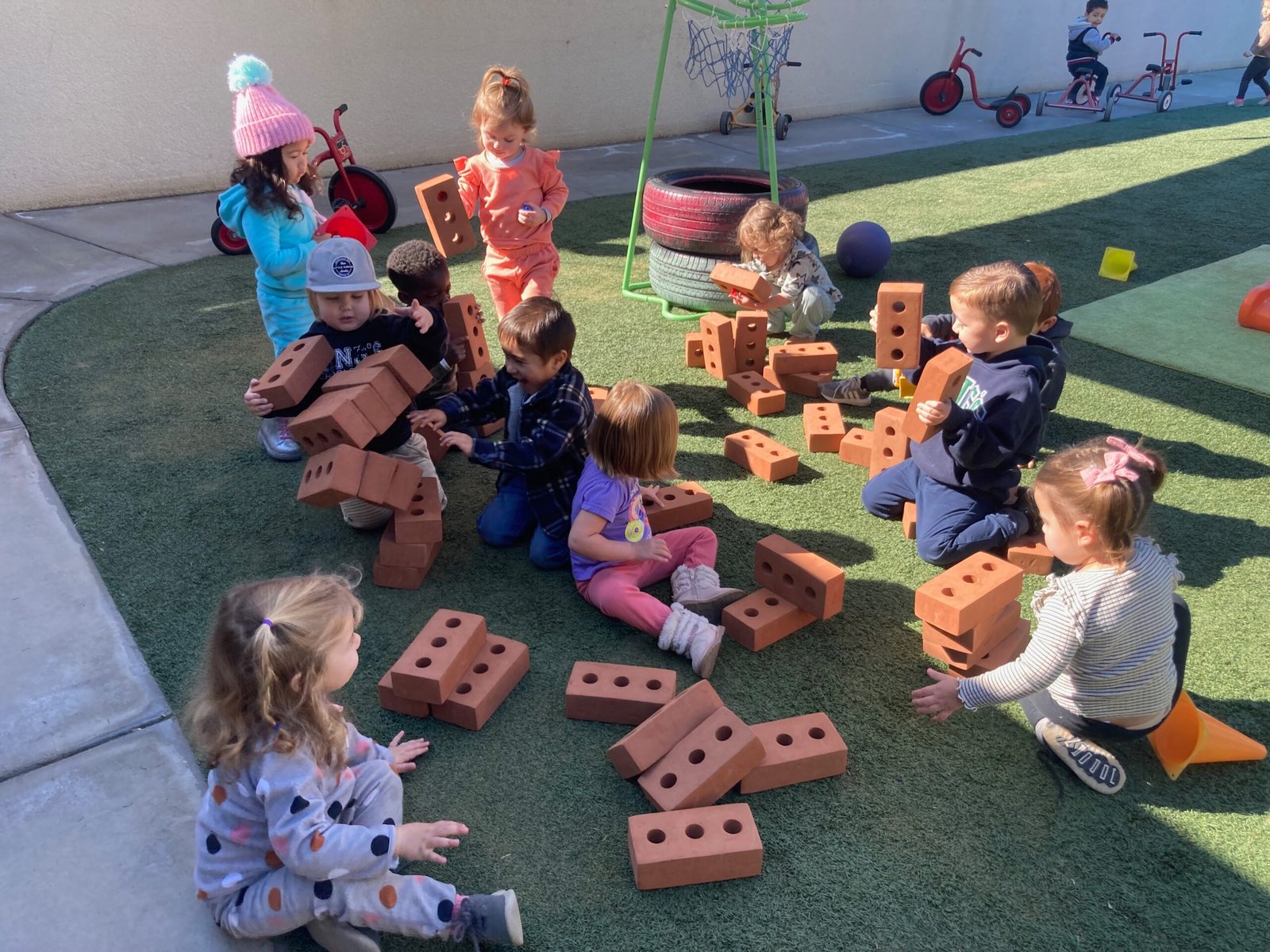
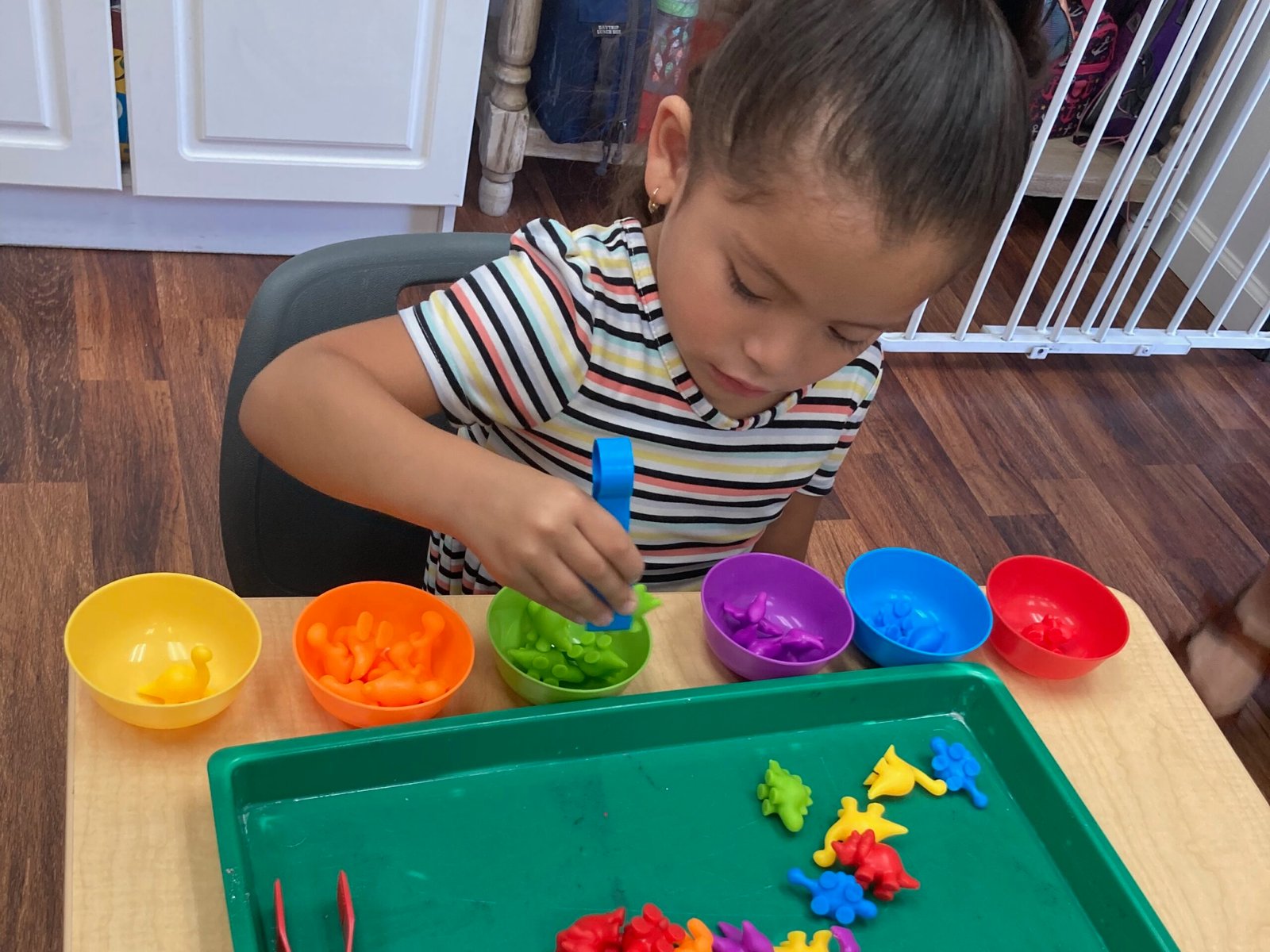
High-quality play-based learning supports the development of the whole child, cultivating essential competencies that early childhood experts collectively refer to as the “6 C’s”: Cognitive Growth, Collaboration, Communication, Content, Critical Thinking, Creative Innovation, and Confidence. Through manipulative play with building blocks and sorting objects, children develop spatial awareness, foundational mathematical concepts, and logical reasoning skills that form the basis for future academic learning.
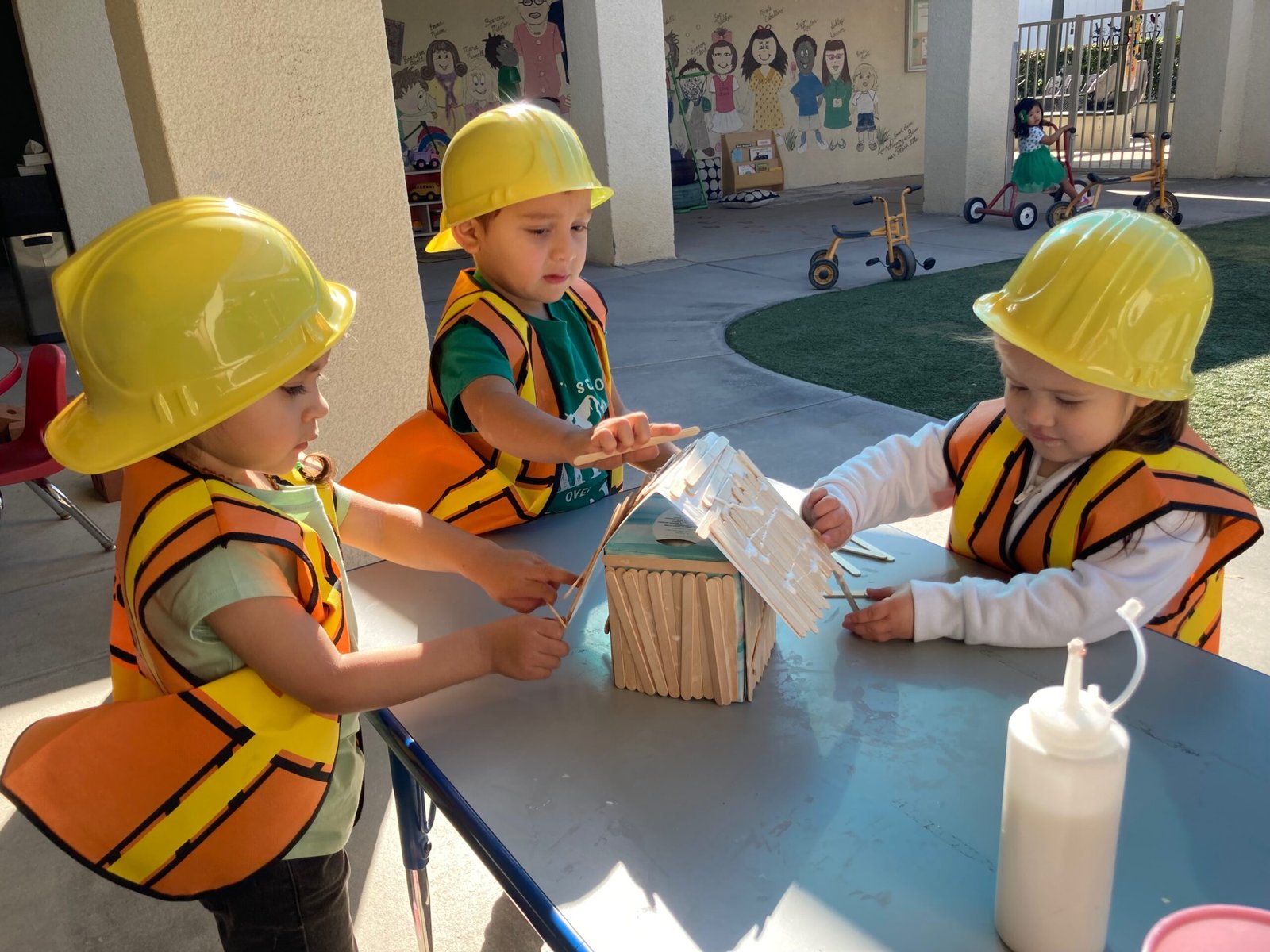
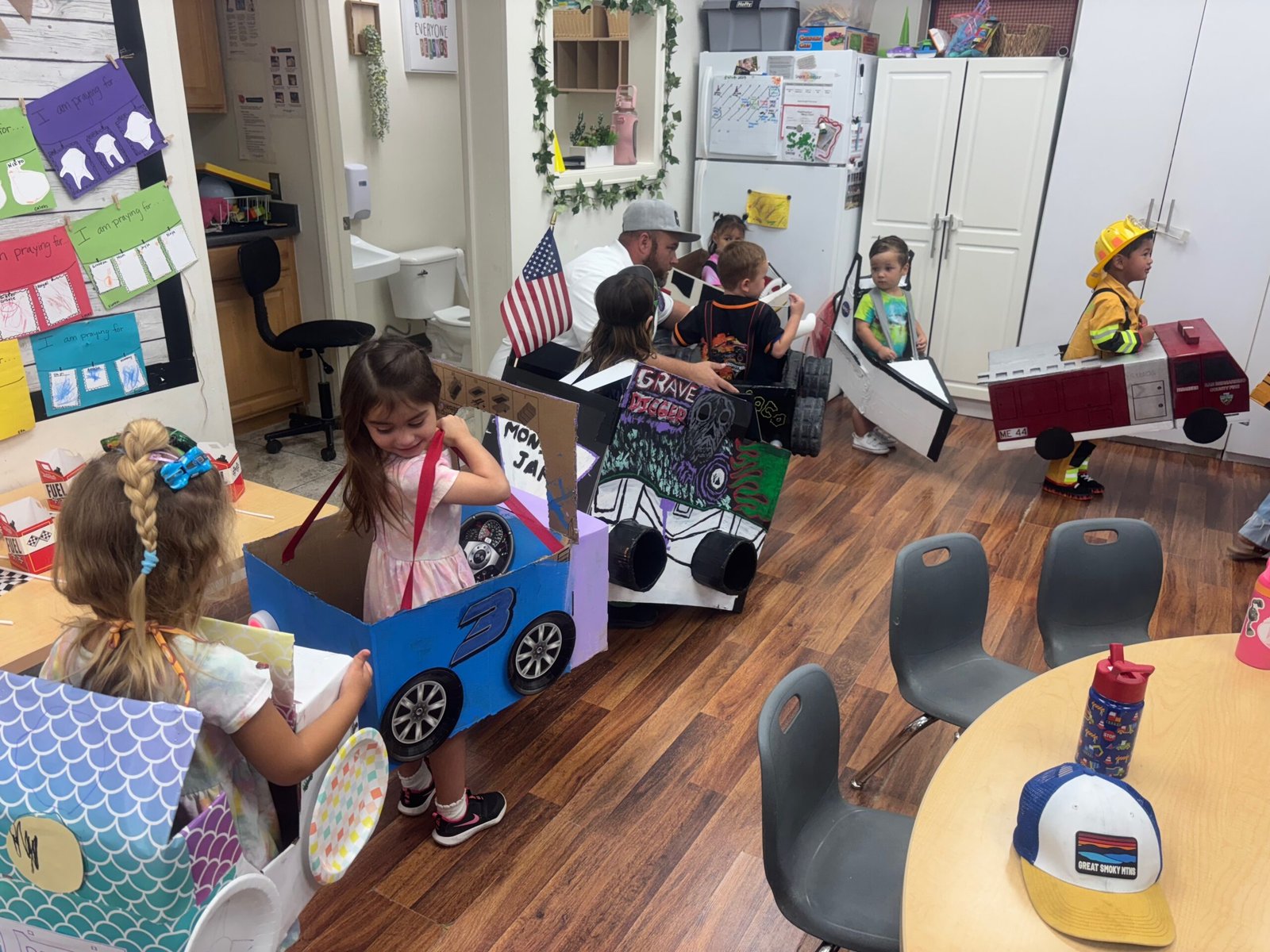
Beyond cognitive development, play-based approaches provide powerful vehicles for social and emotional learning. Dramatic and fantasy play enable children to explore social roles, build empathy, and safely navigate complex emotions, including frustration and the challenges of sharing. Simultaneously, the communicative demands of play—negotiating rules, telling stories, and describing sensory experiences rapidly expand children’s vocabulary and their capacity to express their needs effectively. Physical development occurs naturally as children engage in gross and fine motor activities, such as running, jumping, manipulating scissors, and molding playdough, which supports the development of both strength and dexterity essential for later academic tasks.
Implementation Strategies
High-quality play-based learning supports the development of the whole child, cultivating essential competencies that early childhood experts collectively refer to as the “6 C’s”: Cognitive Growth, Collaboration, Communication, Content, Critical Thinking, Creative Innovation, and Confidence. Through manipulative play with building blocks and sorting objects, children develop spatial awareness, foundational mathematical concepts, and logical reasoning skills that form the basis for future academic learning.